Lymphedema Management & Complete Decongestive Therapy
Available in:
60 minutes - Lymphedema Management
90 minutes - Lymphedema Management & Complete Decongestive Therapy
What is Lymphedema?
Lymphedema is swelling that develops when the lymphatic system is unable to move lymph fluid effectively.
The lymphatic system helps collect excess fluid, proteins, and other substances from the tissues and return them to circulation. When lymphatic pathways or lymph nodes are underdeveloped, damaged, removed, or overwhelmed, fluid can build up in the tissues and cause swelling.
Lymphedema can affect the arms, legs, face, neck, abdomen, or genital area, depending on which lymphatic pathways are affected.
Signs & Symptoms of Lymphedema
Lymphedema can look and feel different from person to person.
Symptoms may include:
Swelling that persists or gradually increases
One arm or leg appearing larger than the other
A feeling of heaviness, fullness, tightness, or pressure
Puffiness in the hands, feet, fingers, or toes
Clothing, shoes, watches, rings, or jewelry feeling tighter
Reduced range of motion or difficulty moving the affected area
Aching or discomfort
Changes in the texture or firmness of the skin and tissues
Skin becoming thicker or harder over time
Recurrent skin infections, such as cellulitis
Swelling that may initially improve with elevation but becomes more persistent as the condition progresses
What Can Cause Lymphedema?
Lymphedema is generally classified as primary or secondary.
Primary Lymphedema
Primary lymphedema occurs when the lymphatic system does not develop normally. A person may be born with fewer or abnormal lymphatic vessels or lymph nodes.
Symptoms can appear at birth, during childhood or adolescence, or later in adulthood.
Secondary Lymphedema
Secondary lymphedema develops when a previously functioning lymphatic system becomes damaged or disrupted.
Possible causes or risk factors include:
Lymph node removal during surgery
Cancer treatment, particularly when lymph nodes are removed or treated
Radiation therapy, which can cause changes or scarring in lymphatic tissues
Surgery or significant trauma that damages lymphatic pathways
Infections that affect the lymphatic system
Chronic venous insufficiency, where long-term difficulty returning blood from the legs can place additional demand on the lymphatic system
Severe or long-standing swelling/edema, which can eventually overwhelm or damage lymphatic function
Obesity, which can increase stress on the lymphatic system
Certain cancers or masses that block or compress lymphatic pathways
An Important Difference
Not all swelling is lymphedema.
Swelling can occur for many reasons, including injury, surgery, medications, venous problems, heart or kidney conditions, inflammation, and other medical conditions.
Lymphedema involves an impairment of the lymphatic system itself. If swelling is new, unexplained, rapidly increasing, painful, red or warm, or you are unsure of its cause, it should be medically assessed before beginning lymphatic treatment.
What is CDT?
Complete Decongestive Therapy (CDT) is the standard approach for managing lymphedema and other lymphatic swelling conditions.
CDT is more than lymphatic drainage. It combines specialized techniques and self-management strategies to help reduce and manage swelling, support lymphatic function, protect the skin, and improve daily comfort and movement.
Who is CDT For?
Complete Decongestive Therapy (CDT) may be recommended for people with primary or secondary lymphedema, including lymphedema related to:
Lymph node removal or damage
Cancer treatment or radiation
Surgery or trauma affecting lymphatic pathways
Chronic venous and lymphatic insufficiency
Long-standing swelling that has affected lymphatic function
Treatment is individualized depending on the cause, location, and severity of the swelling.
What Does CDT Include?
Manual Lymphatic Drainage (MLD)
Gentle, specific techniques are used to encourage lymph fluid toward functioning lymphatic pathways.
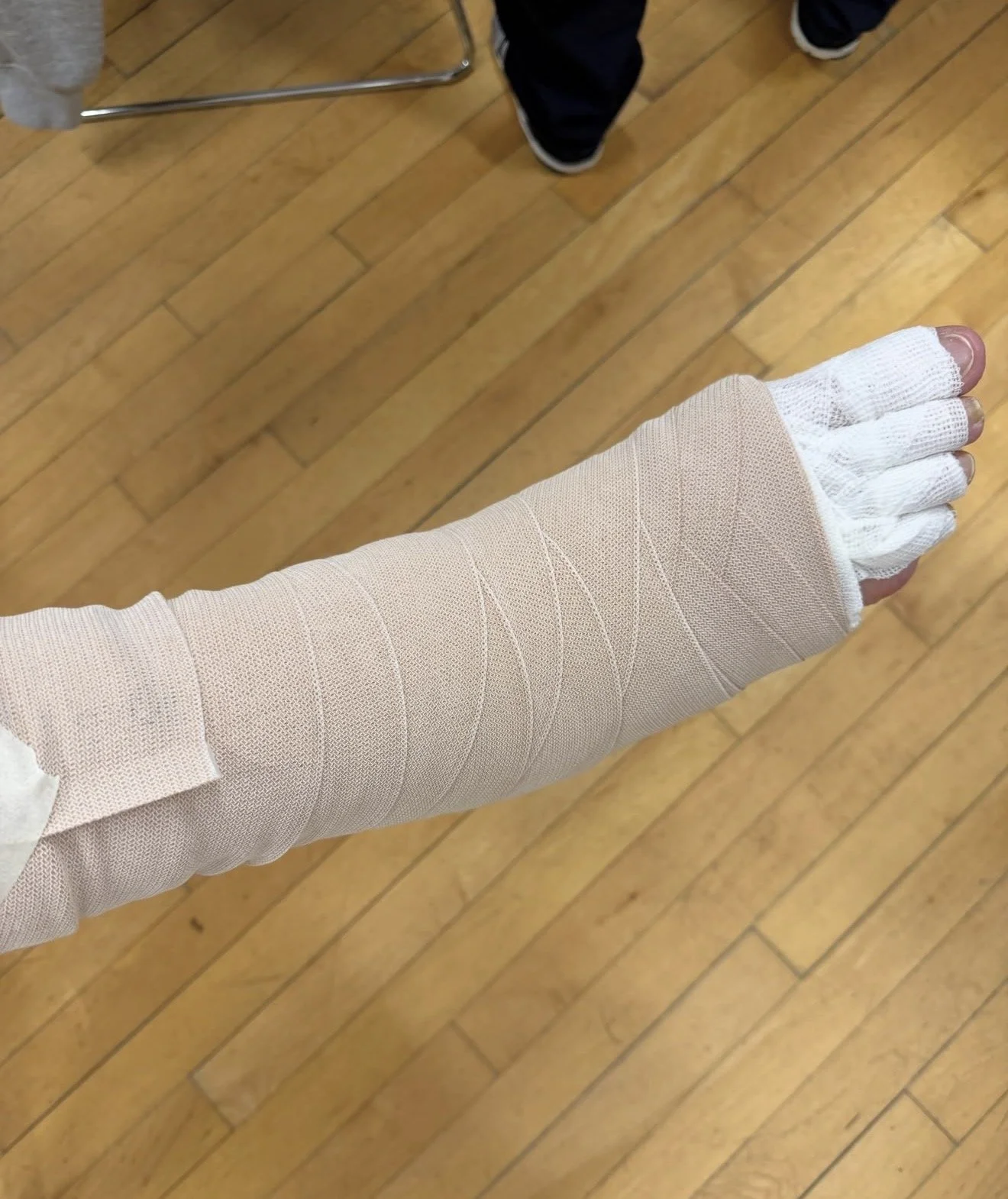
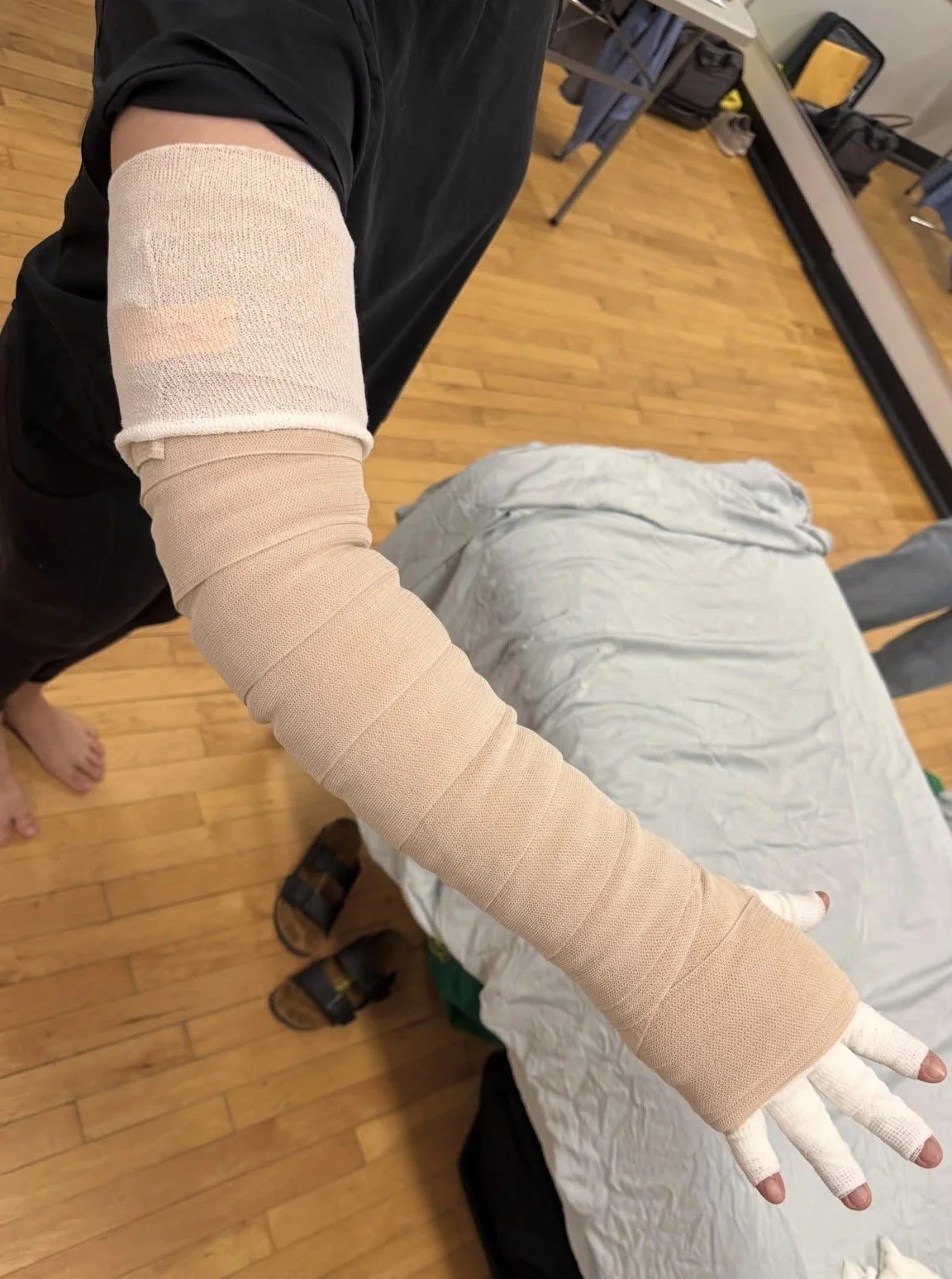
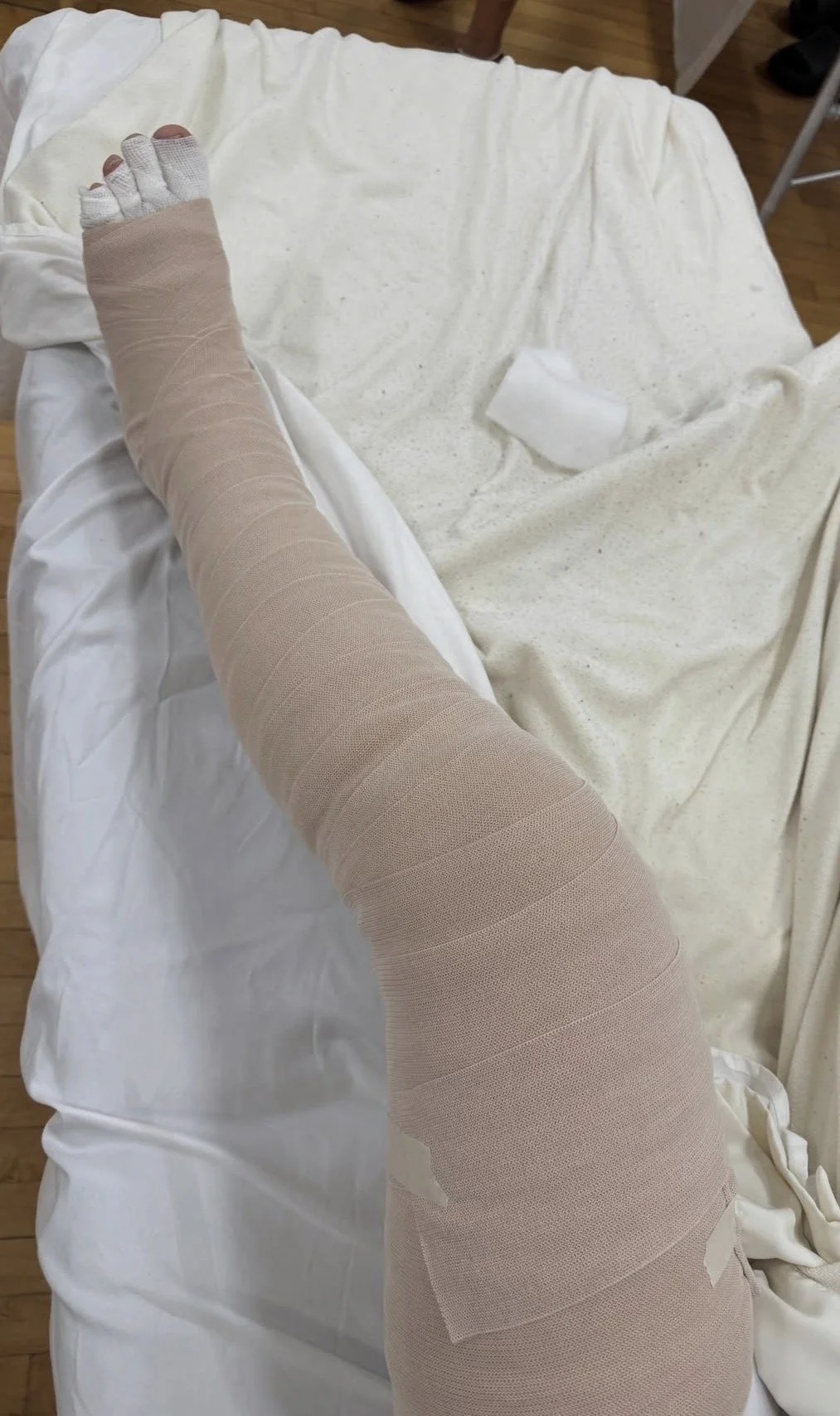
Compression Therapy
Compression bandaging and/or garments help maintain reductions in swelling and limit fluid from accumulating again.
Exercise & Movement
Specific movement and exercises work with compression and muscle activity to help support lymphatic and venous return.
Skin Care
Keeping the skin healthy is especially important with lymphedema because the condition can increase the risk of skin breakdown and infections such as cellulitis.
Education & Self-Management
Patients learn how to care for their condition between treatments, including compression, movement, skin care, and individualized self-management strategies.
CDT is a comprehensive, individualized approach. Each component works together to reduce swelling, improve function, and enhance quality of life.
How Can CDT Help?
The goals of CDT may include reducing and controlling swelling, improving comfort and mobility, softening tissue changes, supporting skin health, decreasing complications, and helping prevent swelling from progressing.
Because lymphedema is generally a chronic condition, CDT isn’t considered a cure.
The goal is to get the swelling under better control and then provide the patient with the tools needed to manage it long term and maintain their results.
Why Compression Matters in Lymphedema
Compression is an important part of managing lymphedema because moving fluid is only part of the process.
Compression garments or bandaging help:
Helps prevent fluid from re-accumulating in the tissues.
Encourages healthy fluid movement through the body.
Helps protect the progress made during therapy.
Compression works with muscle activity to move fluid.
Help manage swelling throughout the day
Manual Lymphatic Drainage and compression often work together. MLD can help encourage fluid movement, while compression helps maintain and support those changes between treatments.
If you currently have active cancer or are undergoing cancer treatment, medical clearance from your healthcare team is required before booking Manual Lymphatic Drainage (MLD) or Lymphedema Treatment. This helps ensure treatment is appropriate and safe for your individual situation.